What is Call Shadowing? How Does It Improve Agent Performance?

The best customer support agents don’t just know the product, but they also know how to listen, respond calmly, handle tough situations, and make customers feel heard. When new agents are trained only with scripts, they may understand the basics, but they often struggle to sound natural or handle real-time challenges with confidence and empathy.
That’s why call shadowing has become an essential part of modern call center training. By listening to real customer calls, new agents see how experienced reps guide conversations, resolve issues, and maintain professionalism under pressure. This hands-on exposure helps new hires to develop practical skills faster and gain the confidence needed to handle calls on their own.
In this guide, we’ll cover what call shadowing is in detail, including its benefits and implementation, to help your new agents perform better on the job.
Key Highlights:
Call shadowing lets new reps listen to real customer calls, so they can learn how experienced agents handle conversations and resolve issues.
Shadowing speeds up onboarding, improves agents’ skills, and enables hands-on learning about call handling techniques.
To implement call center shadowing, you need experienced mentors, live call monitoring tools, and clear call scripts.
After shadowing, agents move into call nesting, where they handle real calls with mentor support.
What is Call Shadowing?
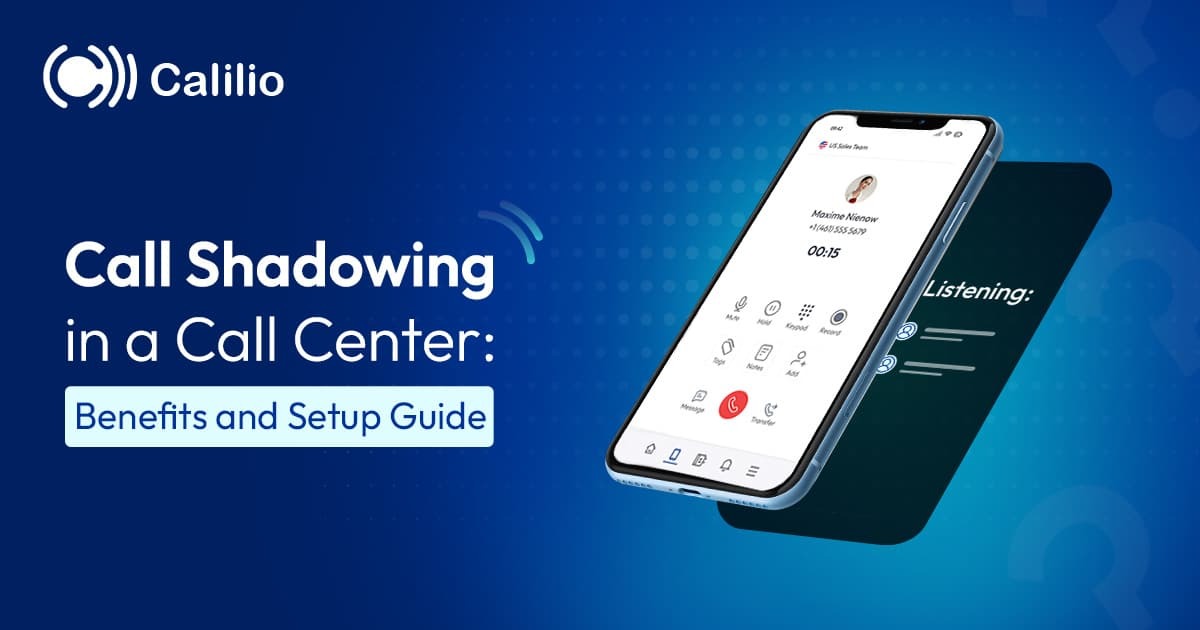
Call shadowing is a training method where a new employee listens to live calls to observe the call handling techniques from an experienced rep. During these sessions, trainees don’t speak or participate; they simply observe how questions are asked, concerns are handled, the product is explained, and next steps are set.
New hires sit beside a skilled agent or mentor when observing calls. The goal is to help them build confidence and improve their skills by observing real customer interactions rather than relying only on scripts or guides.
What are the Benefits of Call Shadowing in a Call Center?
Call shadowing helps accelerate training for new employees by exposing them to real-time call handling processes. It helps them learn how to understand customer needs, handle objections, and improve performance before taking over their role.
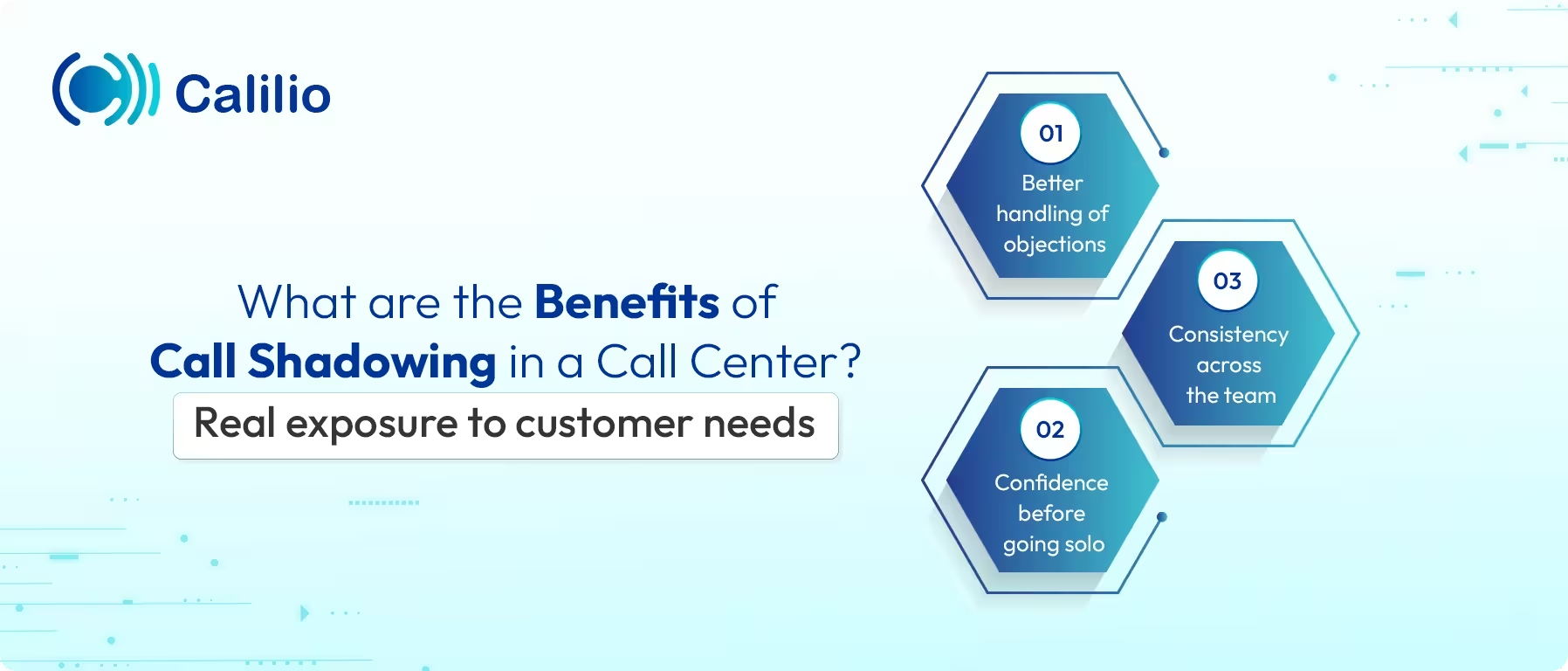
- Real exposure to customer needs: Listening to live calls helps new reps understand the needs of the customers in that particular business. It also helps them learn about customer behaviour and factors influencing their decisions.
- Better handling of objections: Trainees get to hear how experienced reps deal with pushback or confusion. So, they learn how to manage tough moments and shape their own approach for similar situations.
- Consistency across the team: When agents observe how experienced team members handle calls, they pick up on effective techniques, tone, and workflows. This leads to more consistent call quality and a smoother, more unified experience for customers, no matter which agent they speak with.
- Confidence before going solo: Real-time call listening gives agents a clear idea of what to expect, how to handle different scenarios, and what good customer interactions sound like, all before they take live calls on their own.
What Do You Need Before Shadowing Calls?
Implementing shadowing as a part of your call center training requires the right mix of people, tools, and planning.
1. Trainers and Experienced Agents
Each new hire should be paired with an experienced agent or mentor for one-on-one guidance. This helps provide direct feedback and speeds up the learning process. However, you can allow multiple trainees to listen to different calls handled by a single agent. It helps them learn how an experienced agent uses their unique technique to handle various scenarios.
2. Technology and Tools
For call center shadowing, you’ll need tools that support live observation and coaching. These include:
- Call monitoring and recording tools for listening to live or saved calls.
- Softphone or call-handling platforms to help train agents for the nesting phase that follows shadowing.
- Knowledge bases or digital libraries to store guides, call flows, and FAQs.
- Call whisper or barge-in features for mentors to provide real-time support.
3. Call Scripts
Clear call scripts help new hires follow the right process during training. They can review these while observing calls and then apply them when they handle customer calls individually.
How to Implement Call Shadowing in Your Call Center?
Start by defining your goals, selecting the right calls to shadow, and pairing trainees with experienced agents who match their learning needs. Make sure to prep before each session, guide them on what to observe, and train them on using the system before letting them handle the calls themselves.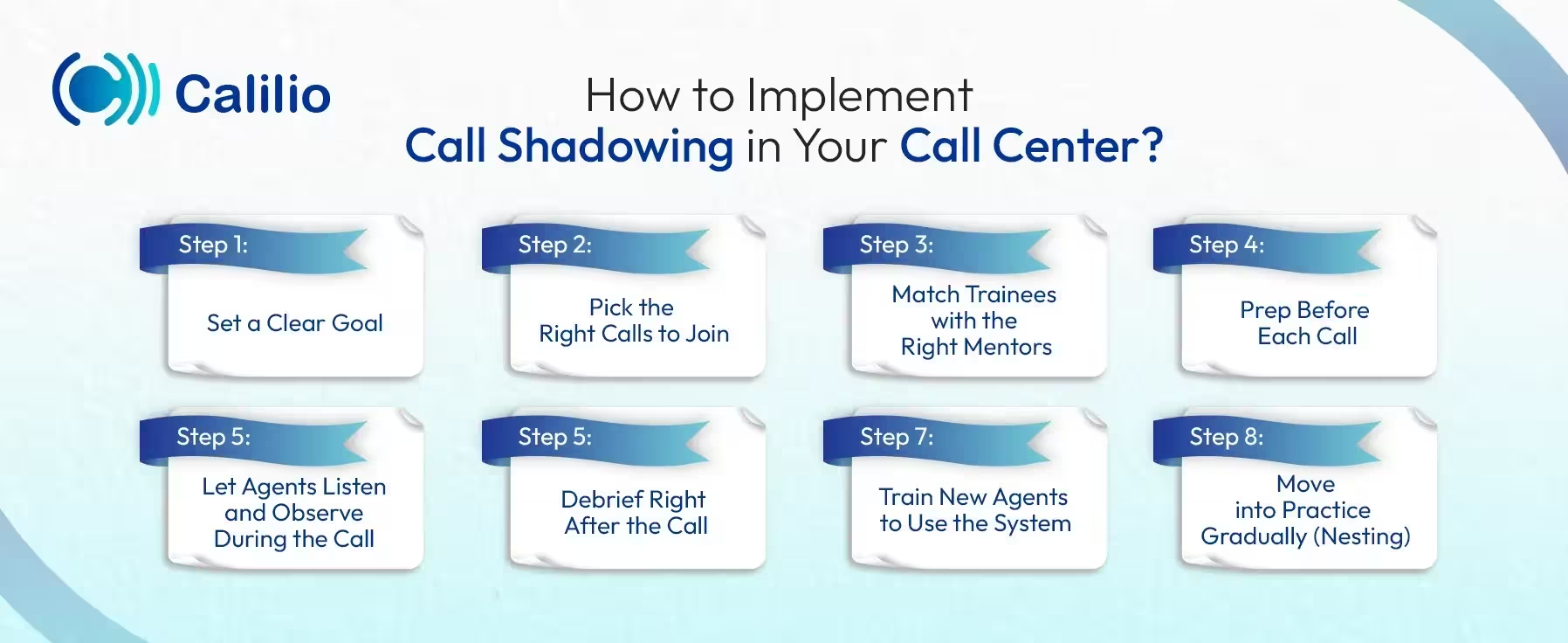
Step 1: Set a Clear Goal
Before you start, decide what you want new reps to learn. For example, do you want them to focus on discovery questions, handling objections, or guiding the caller to a solution? Clear goals make the training more useful.
Step 2: Pick the Right Calls to Join
Next, choose a mix of calls for new reps to listen to, such as introduction calls, product demos, support requests, or follow-ups. This helps them understand different situations and learn how calls change based on customer needs.
Step 3: Match Trainees with the Right Mentors
Then, pair new team members with experienced reps who communicate clearly and are comfortable explaining their approach. If possible, let trainees learn from more than one rep so they can see different styles and techniques.
Step 4: Prep Before Each Call
Before joining a call, review who the customer is and what the call is about. The mentor can also let the trainee know what to pay attention to, for example, how they open the call or what questions they plan to ask.
Step 5: Let Agents Listen and Observe During the Call
When the call starts, let the trainee join quietly and listen. They watch how the rep builds rapport, asks questions, explains solutions, and sets next steps. Taking notes makes it easier to remember key moments.
Step 6: Debrief Right After the Call
Once the call ends, the mentor and trainee talk through what happened like:
- What worked well?
- Why did the rep choose certain responses?
- What would they do differently next time?
Step 7: Train New Agents to Use the System
During call center shadowing, show new hires how agents use the system to manage calls, such as transferring calls, placing customers on hold, and adding call notes.
Step 8: Move into Practice Gradually (Nesting)
After the trainee has listened to enough calls, it's time to move into call nesting. Here, they begin handling calls themselves while the mentor quietly listens and steps in only when needed. As they get more comfortable and consistent, the mentor can gradually step back, allowing the trainee to manage calls on their own with confidence.
What is Call Nesting & How Does It Differ from Call Shadowing?
While call shadowing focuses on observing how experienced agents handle live calls, call nesting emphasizes putting those lessons into practice.
Call shadowing offers observation. On the other hand, nesting builds real experience by allowing new employees to handle the customer interaction directly.
Here’s a side-by-side comparison between the two for better understanding:
Factor | Call Shadowing | Call Nesting |
| Definition | Call center shadowing is a training method where the trainee listens to live customer calls handled by an experienced agent without speaking. | In call nesting, the trainee begins handling live calls while the mentor listens in and provides guidance when needed. |
| Learning Focus | Call shadowing focuses on observing how calls are managed, including tone, questioning style, and problem-solving techniques. | Call nesting focuses on applying those observations in real conversations to practice handling customer calls. |
| Level of Involvement | During shadowing, the trainee only listens and observes the agent’s interaction. | During nesting, the trainee actively leads the call while the mentor supports in the background. |
| Goal | The goal of shadowing is to help the trainee understand how experienced agents handle various customer situations. | The goal of nesting is to prepare the trainee to take calls independently and perform with minimal support. |
| Tools | Call monitoring tools, such as call listening or live call monitoring systems, allow trainees to observe real interactions. | Softphone or call handling tools, along with call whisper and call barge-in features, enable real-time coaching from mentors. |
Level Up Your Agent Training with Calilio
Use real-time call monitoring, call listening, and AI insights to train smarter, faster.
Conclusion
Call shadowing is one of the most practical ways to prepare new agents for real customer interactions. Instead of only relying on scripts or recordings, it gives trainees firsthand exposure to how experienced reps handle real conversations, how they greet customers, respond to questions, stay calm under pressure, and guide conversations towards the right outcome.
To make call shadowing truly effective, you also need the right technology. Calilio’s business phone system provides everything required for a smooth training process, including live call monitoring, call listening, and AI-powered call reports that help trainees understand conversations more clearly and improve with each session.



Summarize this blog with:
Frequently Asked Questions
What are you supposed to do when shadowing?
During shadowing, you’ll listen to live customer calls handled by an experienced agent. Your job is to observe how they greet customers, ask questions, resolve issues, and close the call. Also, take notes on phrasing, tone, and techniques you can apply later.
What is phone shadowing?
How long should shadowing be?

Still have questions?
Can’t find the answer you’re looking for? Please chat with our friendly team.
Stay in the loop
Get the latest call insights, trends, and updates delivered straight to your inbox.
By subscribing, you agree to receive updates from Calilio.
You can unsubscribe anytime.
Enter the World of AI Business Phone System with Calilio
Improve your business operation with Calilio's advanced virtual phone system. Join today for a better way to connect.